

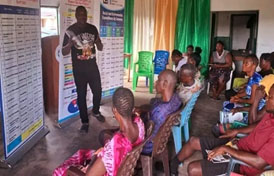

The Liberia Extractive Industries Transparency Initiative (LEITI) has called for greater citizens participation, transparency, and accountability in the management of the natural resources. The made the call at a one-day public engagement in Fish Town, River Gee County. The event, held on Monday, October 26, at the Robert G. Tikpor Resource Center in the Big Market Community, Fish-Town, gathered together a cross-section of residents, including youth leaders, women’s groups and traditional leaders. The engagement was part of LEITI’s nationwide dissemination of the 16th LEITI Report covering the year 2023. At the forum, McDonald S. Kerl, LEITI’s Technical Officer, said the exercise is to take the report beyond Monrovia, and make it understandable to ordinary Liberians in rural counties. Kerl: “The 16th Report covers revenues, payments, and contributions from the mining, oil and gas, forestry, and agriculture sectors for the year 2023.” It details what companies paid to the government, what the government received, and how these resources contribute to national development. “The purpose of this nationwide dissemination is to inform citizens about the findings of the report, to gather feedback from the people, and to encourage constructive dialogue on how our natural resources are governed.” Kerl described transparency as not just about publishing voluminous reports on a website, but about ensuring that citizens understand the information, and a platform to question, participate, and hold duty-bearers accountable. He said, LEITI’s core message is for citizen to have a voice in natural resource governance. If the people of River Gee do not know what is happening in the extractive sector, they cannot benefit, or ask questions.” Kerl said, meaningful participation from communities that host concessions is critical to prevent corruption, improve benefit-sharing, and ensure that resource extraction translates into development. The forum featured an interactive session where participants asked questions about social development funds, community benefits, environmental impacts, and why rural counties often see little development despite rich natural resources. Kerl recalled how LEITI recently concluded similar dissemination engagements in Grand Kru and Maryland counties after an earlier exercise in Grand Gedeh County on October 24. The initiative will cover all 15 counties to ensure no county is left behind in natural resource governance discussions. Residents of River Gee welcomed the engagement, which they described as an “eye-opener.” They called on LEITI and the government to make the report simpler, translate key findings into local dialects, and ensure regular county-level dialogues. The Fish-Town engagement reinforces LEITI’s mandate under the Act of 2009 to promote openness, and accountability in the extractive industries.
As the LEITI team continues its nationwide tour, stakeholders believe sustained public engagement will empower ordinary Liberians to demand transparency, and ensure that the natural wealth benefits all Liberians.
