

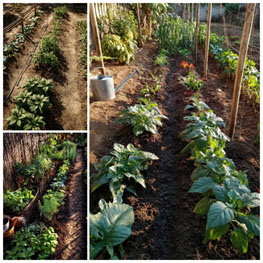

In every community, the path to food security and environmental sustainability begins at home. A small backyard garden may seem modest, but its impact is farreaching. Families who make use of their space to grow vegetables, fruits, or herbs are not only feeding themselves — they are strengthening the nation.
A small garden reduces dependence on imported food and lowers household expenses. Fresh peppers, tomatoes, cassava, or leafy greens grown at home provide nutrition and resilience. Beyond food, gardens supply medicinal plants and spices, reconnecting families with traditional knowledge and healthier living.
Environmentally, small gardens enrich the soil and support climate resilience. Plants absorb carbon dioxide, improve air quality, and regulate local temperatures.
Composting kitchen waste into garden soil reduces garbage while restoring fertility. In urban neighborhoods, gardens transform unused spaces into green sanctuaries, reducing pollution and beautifying communities.
Socially, backyard gardening fosters responsibility and unity. Children learn patience, discipline, and the value of sustainability. Neighbors exchange seeds, share harvests, and build stronger bonds. A culture of gardening encourages selfreliance and reduces pressure on national food systems.
For Liberia, where food imports remain high and ruralurban migration continues, small gardens are a practical solution. They empower families to feed themselves, create small income streams, and contribute to national resilience. The message is clear: Small gardens create big impacts.
Planting in backyard spaces is not just about growing food; it is about growing hope, health, and stability. Every home that turns soil into sustenance is building a stronger nation, one garden at a time.

Comments are closed.