

Environment And You
From Plastic to Paper - Bottles, Cups, Flasks, and Others

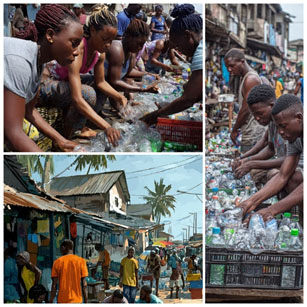
The global shift from plastic to paper is more than a trend; it is a necessity for environmental survival. Plastic bottles, cups, and flasks have long dominated daily life, but their convenience comes at a heavy cost. They clog waterways, pollute oceans, and take centuries to decompose. By contrast, paper alternatives offer a path toward sustainability, responsibility, and renewal.
The importance of this transition lies in its impact on the environment. Plastic waste is one of the greatest threats to marine life and ecosystems. Moving to paper reduces nonbiodegradable waste and encourages recycling. Paper products decompose naturally, enriching the soil rather than poisoning it. This shift also reduces reliance on petroleumbased plastics, cutting down greenhouse gas emissions.
The benefits extend to society and the economy. Paper bottles, cups, and flasks create demand for sustainable industries, opening opportunities for innovation and green jobs. Communities can invest in local paper production, reducing imports and supporting small businesses.
Consumers benefit from healthier choices, as paper products are safer for food and drink storage compared to plastics that may leach harmful chemicals.
Culturally, the move from plastic to paper fosters a mindset of responsibility. It teaches citizens that protecting the environment begins with everyday choices. Schools, offices, and households that adopt paper alternatives set an example for future generations, proving that progress does not have to come at the expense of the planet.
Ultimately, the shift from plastic to paper is not about replacing one material with another; it is about reimagining consumption. Every paper cup or bottle used instead of plastic is a step toward cleaner oceans, healthier communities, and a more sustainable Liberia. Small changes in daily habits can lead to big impacts for the earth.

Comments are closed.