

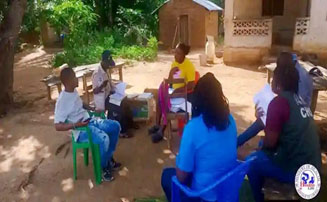

Community health services in four counties have come under increased scrutiny.
The scrutiny followed the completion of a nationwide supportive supervision, and monitoring exercise the Ministry of Health’s National Community Health Program (NCHP) initiated.
The exercise, financially supported by REACH Malaria, covered Lofa, Bong, Grand Kru, and River Gee counties as part of efforts to determine whether community health interventions are being implemented, according to established standards.
The supervision targeted 53 health facilities, and 212 communities the four counties, providing health authorities with a broad assessment of service delivery at both facility, and community levels.
The exercise was conducted under the National Implementation Fidelity Initiative (IFI), with supervisors using a standardized facility, and community supervision Data Collection Tool to assess the quality, and consistency of community health service implementation.
The monitoring teams engaged key health, and community actors, including Community Health Services Supervisors, Community Health Assistants, Officers-in-Charge, Community Health Committees, vaccinators, and community members.
Through structured interviews, and onsite assessments, the teams gathered information on how community health activities were being implemented, and the challenges confronting frontline workers, and community structures.
The exercise placed particular attention on the connection between health facilities, and the communities they serve, recognizing that effective healthcare delivery depends not only on services available at facilities, but also on the strength of community-level interventions.
The participation of Community Health Assistants, and other frontline personnel provided supervisors with direct insight into the realities of delivering healthcare services at the community level.
Community Health Committees, and residents also participated, giving monitoring teams an opportunity to hear directly from people who depend on community health services.
The supervision is expected to help the Ministry identify implementation gaps, strengthen accountability, and determine areas where additional support may be required.
The NCHP says supportive supervision is essential to ensure that community health programs remain effective, and that frontline workers receive the guidance necessary to perform their duties.
The findings from the exercise could also help health authorities improve planning, and strengthen coordination between health facilities, community health workers, and local communities.
With 53 facilities, and 212 communities assessed, the exercise represents a significant monitoring effort in four counties.
The initiative also demonstrates the Ministry of Health’s continued reliance on field-level assessments to measure whether national health interventions are producing the intended results.
As Liberia continues efforts to strengthen its community health system, the information gathered during the supervision is expected to inform future interventions, and improve service delivery.
The latest exercise places community health implementation firmly under the spotlight, and reinforces the need for regular monitoring, accountability, and sustained support to ensure that health services reach communities effectively.

Comments are closed.