

The Environment And You
Sea Level Rise: The Coastline’s Silent Threat

The ocean has always been a symbol of life and continuity, but today it carries a warning. Sea level rise, driven by climate change, is reshaping coastlines and threatening communities across the globe.
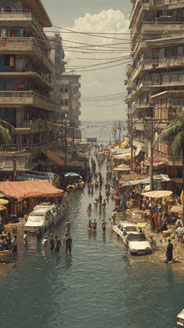
As glaciers melt and polar ice sheets shrink, the sea creeps higher each year. Scientists estimate that global sea levels have risen more than 20 centimeters in the past century, and the pace is accelerating. For coastal cities, this is not a distant concern — it is a present reality. Floods that were once rare now occur regularly, eroding homes, farmland, and infrastructure.
The impact is especially severe for vulnerable communities. In lowlying regions, families are forced to relocate as saltwater contaminates drinking supplies and farmland becomes unusable. Economies dependent on fishing and tourism face disruption, while ecosystems such as mangroves and coral reefs struggle to survive.
Yet the crisis is not without solutions. Countries investing in coastal resilience — through sea walls, mangrove restoration, and sustainable urban planning — are finding ways to adapt.
Renewable energy adoption and reduced carbon emissions remain the most powerful tools to slow the rise.
Individuals also play a role. Supporting climatefriendly policies, reducing waste, and conserving energy are small steps that collectively make a big difference. Protecting the sea is not just about saving coastlines; it is about safeguarding humanity’s future.
Sea level rise is more than an environmental issue — it is a test of our global responsibility. The tide is rising, but so too can our determination to act. If we choose resilience today, future generations will inherit coastlines that remain places of life, culture, and beauty.

Comments are closed.