
PUL President Seeks Boakai’s ‘Media Legacy’
By Domingo Dargbeh

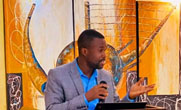
The President of the Press Union of Liberia (PUL), Julius Kanubah, has rallied President Joseph Nyuma Boakai Sr. support to demonstrate the lasting impact of the government on Liberia’s media sector.
Kanubah questioned: ‘What legacy the Boakai administration would leave behind for journalists, media institutions, and the broader press community?’
He placed the future of Liberia’s media sector at the center of his remarks, calling attention to the need for meaningful reforms that would strengthen press freedom, improve journalists’ welfare, and create a more sustainable working environment for media practitioners.
Kanugbah questioned whether, at the end of the Boakai administration, journalists would be able to point to significant and lasting improvements in their professional conditions and the protection of their rights.
He stressed that the administration’s media legacy should not be measured solely by public statements and assurances but by concrete actions that improve the working conditions of journalists and strengthen media institutions.
Kanubah’s remarks have come amid ongoing conversations about the relationship between the government and the press, including calls for stronger institutional support, improved working conditions, and greater protection for journalists.
He challenged the administration to ensure that its commitment to press freedom translates into measurable progress for the media sector.
The PUL President’s central question was whether the Boakai administration would be remembered as a government that meaningfully advanced and protected Liberia’s media or as another administration whose promises failed to produce lasting institutional change.
With few years remaining in the administration’s tenure, Kanubah’s remarks seemed to underscore the opportunity for the government to translate its stated commitments into tangible reforms that benefit journalists and media organizations across the country.
In addition to raising concerns about press freedom and journalists’ welfare, Kanubah appealed to the national government for financial assistance to begin the construction of the Press Union of Liberia’s headquarters in Monrovia.
The proposed headquarters is expected to provide the Union with a permanent institutional base to support its operations and advance its work on behalf of journalists and media organizations.
Kanubah’s appeal emphasized the need for stronger institutional capacity within the media sector, particularly as the PUL continues to advocate for press freedom, professional development, and improved conditions for journalists.
The request for government assistance also added another dimension to the broader discussion about how the administration can support the development of Liberia’s media institutions.
The Second Annual Presidential Media Dinner brought together government officials, journalists, media executives, and other stakeholders to reflect on the relationship between the Liberian government and the press.
The gathering provided an opportunity to discuss press freedom, journalistic responsibility, journalists’ welfare, and the role of the media in promoting transparency and accountability.
While Minister Piah reaffirmed the government’s commitment to protecting journalists and supporting an independent media, Kanubah’s remarks underscored the need for concrete action to strengthen the sector.
The contrasting but complementary messages from the two officials seemingly placed the future of Liberia’s media industry firmly on the national agenda.
As the Boakai administration continues its tenure, the challenge remains to translate its assurances on press freedom into practical measures that protect journalists, improve their welfare, strengthen media institutions, and ensure that the Liberian press can operate independently and responsibly.

Comments are closed.