

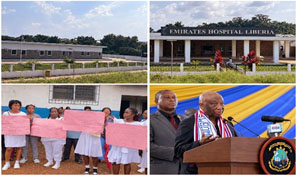

Health workers at the UAE Hospital in Bopolu City, Gbarpolu County, have reportedly taken to the streets to protest over unpaid or delayed salaries, raising fresh questions about the administration of President Joseph Nyuma Boakai commitment to improving healthcare delivery and the welfare of public-sector employees.
The reported protest has come amid growing public concerns over living conditions, workers’ compensation, and the government’s performance in delivering essential public services.
The situation has renewed scrutiny of the government’s promises to improve the welfare of doctors, nurses, and other civil servants.
During its time in opposition, the Unity Party pledged improved governance, better salaries for civil servants, increased compensation for healthcare professionals, and enhanced benefits for public-sector workers.
However, the reported demonstration in Gbarpolu has raised questions about whether those commitments are being translated into tangible improvements for frontline workers.
The UAE Hospital, located in Bopolu City, District #1, is an important healthcare facility serving residents of Gbarpolu County.
Established during the administration of former President George Manneh Weah, the hospital was intended to expand access to medical services and strengthen healthcare delivery in the county.
Despite the investment in the facility, concerns have been raised about its operational capacity, including reports of inadequate surgical equipment, shortages of essential medicines, and limited medical supplies.
These claims require independent verification, but if confirmed, they could undermine the hospital’s ability to provide effective and timely treatment to patients.
Reported salary dispute also raises concerns about the working conditions of healthcare professionals who are expected to provide essential medical services despite possible financial difficulties.
Delayed salary payments, if confirmed, could affect staff morale, weaken service delivery, and increase pressure on patients who depend on the public healthcare system.
Beyond the immediate salary concerns, questions are emerging about how public resources allocated to the health sector are being translated into improved working conditions and better patient care.
Discussions about reported government health-sector spending of approximately US$1.2 billion have drawn attention to the need for transparency.
However, the figure’s timeframe, scope, and actual allocations must be verified before it can be directly linked to the challenges reportedly facing the hospital.
For residents of Gbarpolu County, the issue extends beyond political promises and public spending.
A functional hospital requires qualified personnel, reliable funding, adequate medical equipment, essential medicines, and the timely payment of workers.
Without these necessities, even a well-constructed healthcare facility may struggle to meet the needs of the population it was established to serve.
The Ministry of Health, UAE Hospital management, and other relevant authorities should clarify the reported salary concerns and explain whether workers are owed outstanding payments.
They are also expected to provide information on the hospital’s staffing, medical supplies, equipment, and operational challenges.
Public disclosure of these details would help establish the facts and identify the measures needed to address any verified problems.
As the Boakai administration faces renewed scrutiny over public-sector welfare and service delivery, the reported protest appears to present another test of its commitment to healthcare reform and accountability.
The government is expected to provide clear answers about the status of the health workers’ salaries and the resources available to the hospital.
Ultimately, the central concern is whether healthcare professionals will receive their lawful compensation on time as well as whether residents of Gbarpolu County can continue to access reliable medical services without disruption.
