

Environment And You
HUMAN ACTIVITIES AND ENVIRONMENTAL DEGRADATION

Environmental degradation occurs when natural resources are depleted and ecosystems are damaged faster than they can recover. While some environmental changes occur naturally, many of today’s environmental challenges are directly linked to human activities.
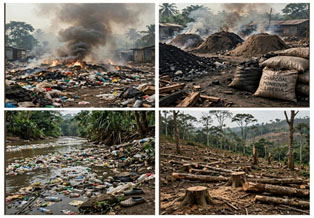
Deforestation is one of the leading causes of environmental degradation. Trees are often cut down for timber, agriculture, and settlement expansion without adequate efforts to replace them.
The loss of forests contributes to soil erosion, habitat destruction, and climate change.
Improper waste disposal is another major concern. Plastic waste, garbage dumping, and pollution of rivers and streams contaminate the environment and pose serious health risks.
Many communities suffer from blocked drainage systems and flooding due to poor waste management practices.
Industrial activities, mining operations, and the burning of fossil fuels also contribute significantly to environmental damage. These activities release pollutants into the air, water, and soil, affecting both human health and biodiversity.
Agricultural practices can also contribute to degradation when not managed responsibly. Excessive use of chemicals, poor land management, and unsustainable farming methods can reduce soil fertility and damage ecosystems.
Population growth and urbanization place additional pressure on natural resources. As cities expand, forests are cleared, wetlands are destroyed, and natural habitats are lost. The demand for land, water, and energy continues to increase, often at the expense of the environment.
The effects of environmental degradation are widespread. Communities experience increased flooding, reduced agricultural productivity, water shortages, loss of wildlife, and declining public health. These problems can undermine economic development and reduce the quality of life for millions of people.
Fortunately, environmental degradation is not inevitable. Through responsible practices, stronger environmental policies, community engagement, and public education, much of the damage can be prevented or reversed.
Nature can recover from many challenges, but it cannot withstand endless abuse. Human activities shape the environment, and the future depends on the choices we make today.
