


By Aaron B. Nemah
The National Center for the Coordination of Response Mechanism (NCCRM), has raised concerns over emerging security, and disaster risks in Maryland County.
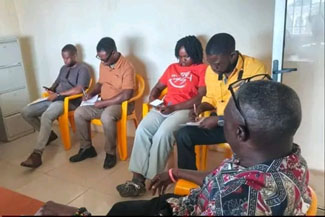
This follows a strategic engagement with local authorities in Harper.
The meeting focused on threats that could undermine public safety and community stability if left unaddressed. NCCRM officials told the locals that three major issues were highlighted, including the presence of Burkinabé nationals; authorities noted the increasing presence of Burkinabé nationals in parts of the county.
Officials said, there is a need to monitor cross-border movement, and ensure proper documentation to prevent potential security challenges.
Coastal Erosion: Rising sea erosion along Maryland’s coastline was flagged as a growing disaster risk. Communities in Harper and surrounding areas have experienced land loss, damage to homes and threats to livelihoods.
Other community challenges flagged, included the team also discussed limited disaster preparedness, weak communication channels and gaps in timely reporting of incidents at the local level.
NCCRM stressed the need for stronger information sharing between county authorities, traditional leaders and national institutions.
The Agency urged Maryland County to establish a functional early warning system to detect, and respond to security and natural disaster threats before they escalate.
”Timely information saves lives and property. We must strengthen coordination to ensure that risks are identified early and addressed promptly,” one NCCRM official said during the engagement.
In response, Maryland County officials committed themselves to appoint a local government focal point to serve as the link between the county and NCCRM.
The focal person will be responsible for collecting, verifying, and reporting early warning information to national authorities to enable faster response.
Officials also pledged to work with community leaders, and security agencies to monitor border areas and coastal communities.
NCCRM said, it will provide technical support, and train county focal point, and local structures to improve disaster risk reduction and emergency response capacity.
Residents and civil society groups have welcomed the move, saying: proactive measures are needed to protect lives and livelihoods in the county.

Comments are closed.