

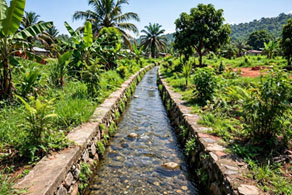
Breathing Clean Air Comes from Clean Drainages and Waterways

Clean air is one of the most essential elements of life, yet it is often taken for granted. The quality of the air we breathe is directly linked to the cleanliness of our environment.
Drainages, waterways, and public spaces play a critical role in ensuring that communities enjoy fresh, healthy air.
When drainages are clogged with waste, stagnant water forms, releasing foul odors and harmful gases. These conditions breed mosquitoes and bacteria, increasing the risk of diseases such as malaria and cholera. Polluted waterways also release toxins into the atmosphere, making the air heavy and unsafe to breathe. In contrast, clean drainages and flowing waterways allow fresh air to circulate freely, reducing pollution and improving overall health.
Breathing clean air strengthens the lungs, boosts immunity, and reduces stress. It also improves focus and productivity, especially for children and workers. Communities that prioritize clean environments enjoy fewer health problems and greater social harmony. Clean air is not just a natural resource—it is a life saver.
The responsibility lies with everyone. Citizens must avoid dumping refuse into gutters and rivers. Local authorities must enforce sanitation laws and organize regular cleanup campaigns. Schools and churches can educate children about the importance of protecting waterways.
Together, these efforts ensure that drainages remain clear and waterways remain pure.
Planting greenery along waterways further enhances air quality. Green leaves absorb carbon dioxide and release oxygen, refreshing the atmosphere and calming the eyes. Clean waterways combined with greenery create healthier, more beautiful communities.
