

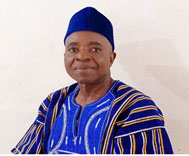
Kolleh Calls For Decentralization, Accountable Leadership In New Liberia
By: Samuel Flomo, Jr.

Rev. David M. Kolleh has outlined a vision for a transformed Liberia, calling for decentralization of political authority, accountable leadership, equitable distribution of national resources and expanded economic opportunities as essential steps toward addressing the country’s persistent development challenges.
Rev. Kolleh, a son of Bong County, said Liberia needs a governance system that places ordinary citizens at the center of national development, arguing that poverty, economic hardship and unequal access to opportunities require deliberate policy interventions and responsible leadership.
In outlining his vision, he emphasized the need for a country where citizens enjoy dignity, fairness and equal opportunities, regardless of their geographical location or social standing.
He referenced a USAID assessment of Liberia’s poverty situation and development prospects, stressing the importance of translating development assessments into practical policies that improve living conditions and create sustainable opportunities for citizens.
Among his major priorities are job creation, decentralization of political power, the election of local leaders, fair distribution of national resources and stronger accountability across public institutions.
On decentralization, Rev. Kolleh argued that Liberia must move beyond political promises and take concrete steps to transfer meaningful authority and decision-making powers from central government institutions to local communities.
He maintained that citizens should have greater control over decisions affecting their communities, including the opportunity to elect local leaders who understand their needs and can be held accountable for their performance.
According to him, empowering local communities would strengthen democratic participation, promote inclusive governance and ensure that development initiatives reflect the priorities of people outside Monrovia.
He also called for a more equitable distribution of national resources, expressing concern that the benefits of Liberia’s natural wealth and economic activities must reach communities across the country rather than remain concentrated in a few areas.
Leadership and Accountability
On national leadership, Rev. Kolleh highlighted the importance of moral values, particularly the principles of Christianity, including the fear of God, honesty, integrity and responsibility.
He argued that public officials must understand that occupying government positions comes with an obligation to serve citizens and protect public resources.
He further expressed concern about the misuse of national resources, calling for a leadership culture that places the collective interests of the Liberian people above personal enrichment and political considerations.
Rev. Kolleh maintained that public service should not be treated as an avenue for personal benefits but as a responsibility requiring transparency, discipline and accountability.
His vision also places employment creation among the country’s major priorities, emphasizing the need for economic policies that expand opportunities for Liberians and enable citizens to contribute meaningfully to national development.
He believes that a new Liberia must be built on institutions that respond to citizens’ needs, leaders who answer to the people and a governance structure that allows communities to participate directly in decisions affecting their future.
A Call for National Transformation
Rev. Kolleh’s vision adds to ongoing discussions about governance reform, political decentralization and economic development in Liberia.
His proposals place particular emphasis on strengthening local governance, improving public accountability and ensuring that national resources are distributed in ways that benefit citizens across all 15 counties.
As Liberia continues to confront poverty, unemployment and development inequalities, his message underscores the need for practical reforms that move beyond political declarations and produce measurable improvements in the lives of ordinary people.
Ultimately, Rev. Kolleh envisions a Liberia where political authority is exercised in the interest of citizens, public resources are responsibly managed and every community has a meaningful opportunity to participate in the country’s development.
