

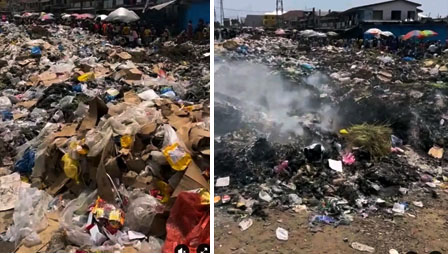
Open ‘Excretion’ Raises Health Concern
By Samuel Flomo, Jr.

Growing concerns have emerged over the persistent practice of open Excretion (defecation) in several communities in Gbarnga, Bong County.
By that, residents and public health advocates have warned that the situation could trigger serious health and environmental consequences if left unaddressed.
A recent investigation has revealed that inadequate sanitation facilities, widespread poverty, rapid population growth, and limited public investment in sanitation infrastructure are among the major factors fueling the practice throughout the city.
The findings indicate that many residents, particularly those living in densely populated and low-income communities, continue to rely on open spaces, bushes, and other unauthorized areas for defecation due to the lack of accessible toilet facilities.
The situation has raised fears among health professionals, who say, such conditions create an ideal environment for the spread of dangerous diseases.
Health experts caution that open defecation increases the risk of outbreaks of cholera, typhoid fever, diarrhea and other waterborne illnesses.
Human waste deposited in open areas can easily contaminate water sources, expose residents to harmful bacteria, and contribute to deteriorating environmental conditions.
According to investigation, the sanitation challenge reflects the shortcomings in urban planning and public infrastructure.
As Gbarnga continues to experience population growth, sanitation services, inhabitants have struggled to meet the increasing demand, leaving many communities vulnerable.
Some of the residents expressed frustration over the shortage of public toilets and the financial burden associated with constructing private latrines.
Many argued that without government intervention, the problem will continue to worsen.
Public health advocates have urged authorities to treat the issue as an urgent development concern rather than merely a sanitation problem.
They warn that failure to act could lead to recurring disease outbreaks, increased healthcare costs, environmental degradation, and reduced economic productivity.
Some of the locals have meanwhile called on municipal authorities, government agencies, and development partners to invest in modern public sanitation facilities, strengthen public awareness campaigns and enforce sanitation regulations more effectively.
With public health concerns mounting, many residents believe immediate action is necessary to protect communities, improve living conditions, and ensure a cleaner and healthier future for Gbarnga and its growing population.
