

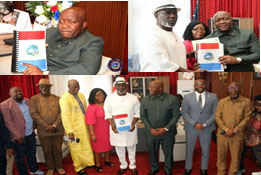

President Joseph Nyuma Boakai has submitted a proposed US$1.538 billion national budget for Fiscal Year 2027 to the 55th National Legislature, promising increased investments in healthcare, education, public sector salaries, youth empowerment and social protection.
However, the proposal is already raising questions about whether a bigger national budget will translate into meaningful improvements in the lives of ordinary Liberians.
The draft budget was presented on Friday, November 6, 2026, by Finance Minister Augustine Kpehe Ngafuan to House Speaker Richard Nagbe Koon at the legislature.
According to the Budget Message, the spending plan is themed: “A Growing Budget for Bigger Impact, Accelerating the Implementation of the ARREST Agenda for Inclusive Development.”
Despite the government’s reported achievement of surpassing US$1 billion in domestic revenue collections by September 2026, many Liberians continue to struggle with poverty, unemployment, rising living costs, and inadequate public services.
The central question remains whether increased government revenue is being translated into tangible economic relief for citizens.
The proposed budget allocates US$135.8 million to the health sector, an increase from US$110.9 million in FY2026.
While the 22 percent increase is expected to support major hospitals and health institutions, concerns remain over whether the additional funding will address persistent shortages of medicines, medical equipment, and qualified health workers.
For many patients, the real measure of progress will be access to affordable and quality healthcare.
The draft budget also acknowledges nearly US$60 million in outstanding government obligations to the National Social Security and Welfare Corporation (NASSCORP).
The government proposes to resume regular statutory employer contributions in 2027 while gradually settling accumulated arrears.
The outstanding obligations raise questions about the management of workers’ retirement benefits and whether the administration will fulfill its repayment commitments.
Speaking to journalists following the budget’s submission, some Liberians expressed skepticism about the commitment of lawmakers to addressing the economic concerns of ordinary citizens and civil servants.
They accused elected officials of prioritizing personal interests over the welfare of the public, arguing that budget discussions often fail to reflect the daily struggles of struggling families.
Josephine Kolleh, a market woman who sells used clothing, questioned the government’s commitment to improving civil servants’ salaries, particularly in light of the proposed adjustments.
“Public officials only care about themselves, not the interest of citizens,” she said, expressing frustration over the limited relief expected for government workers.
She questioned how much would actually be added to civil servants’ current salaries, which she said were around US$150 monthly.
Kolleh argued that civil servants should not expect their monthly salaries to exceed US$300 under the proposed arrangements, adding that the government should reconsider its campaign promise to address salary harmonization.
Her comments reflect broader public concerns about whether the Boakai administration’s budget priorities will deliver meaningful economic relief or leave workers and vulnerable citizens struggling under the same conditions.
As the proposed budget moves to the Legislature for scrutiny, lawmakers face growing pressure to ensure that public spending addresses national priorities rather than political interests.
While the Boakai administration presents the US$1.538 billion budget as a major step toward inclusive development, ordinary Liberians will judge its success by tangible improvements in salaries, healthcare, education, employment, and living conditions.
For citizens battling poverty and economic hardship, the question remains whether a bigger budget will finally produce a better life.
