

Authorities, sources previously abreast with the investigation said, there were no need to disclose sensitive operational information that could compromise an investigation, if there are any ongoing.
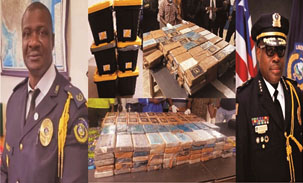
The much-heralded US$19.2 million cocaine seizure at Roberts International Airport (RIA) seems to have perished.
With the ‘no news from investigators,’ there are growing public demand for clearer answers about the trafficking network; those accused of facilitating the shipment, and the status of the investigation several months after the drugs were intercepted.
The case involves approximately 237.6 kilograms of cocaine, reportedly compressed into 198 plates, that was intercepted at the Global Logistics Services (GLS)-Menzies warehouse at RIA in June 2026.
Government subsequently constituted a joint national security investigative taskforce.
The team involves officers of the Liberia National Police, Liberia Drug Enforcement Agency, National Security Agency, and other security-related institutions.
Authorities have repeatedly described the case as involving an “organized, and sophisticated narcotics network.”
Information Minister Jerolinmek Piah said, in August, the investigation had produced significant evidentiary leads, and was examining financiers, organizers, handlers, facilitators, insiders, and foreign connections.
But the public-interest question now is whether investigators have been able to move beyond the initial “arrests, and identify the wider network behind the shipment.”
Several people have already been charged in connection with the case, including individuals associated with GLS, and airport operations.
Reports also indicate that some suspects remain outside the country, but the charges, however, remain allegations until determined by a court, and every accused person is entitled to due process, and the presumption of innocence.
The role of GLS-Menzies has remained a major issue in the controversy, the company’s operations have come under scrutiny, “because the shipment passed through the airport cargo system.”
The legislature subsequently called for temporary suspension of GLS cargo operations at RIA while the investigation reportedly continued.
The investigation has also produced questions about airport security, and the protection of witnesses, and persons cooperating with investigators.
The Witness Protection
The Witness Protection Agency (WPA) publicly offered protection to RIA Security Manager Oscar Brown, after he reported threats connected to the cocaine investigation.
Against that background, Liberians have wondered as to what has happened to the investigation since the initial public announcements?
Has the money trail been fully traced, have investigators identified the financiers, what progress has been made in establishing the international connections?
And are all persons previously identified by investigators still being actively pursued?
Another issue requiring public clarification is the handling of the investigation within the Justice Ministry.
Given the changes, and continuing developments surrounding the case, the public would reasonably expect a clear institutional handover of investigative information, and responsibilities whenever senior officials changed roles or responsibilities.
Authorities, sources previously abreast with the investigation said, there were no need to disclose sensitive operational information that could compromise an investigation, if there are any.
In the process, Police Inspector General Gregory Coleman, publicly alleged in July that drug-trafficking organizations had put money into sections of the media in an attempt to influence the narrative, and distract investigators.
However, publicly available reports of the statement did not identify the media institutions, or journalists involved, or present supporting evidence at the briefing.
Separate public allegations have meanwhile, questioned whether senior security officials could have had connections to the narcotics network, thereby compromising the investigation.
