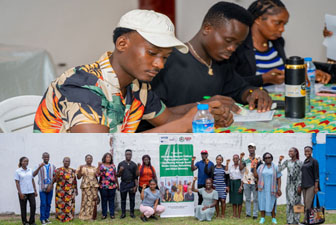
In a move aimed at shifting development conversations from promises to measurable results, the Organization for Women and Children (ORWOCH), in partnership with the African Women Leaders Network (AWLN), convened a high-level Learning and Sharing Meeting with an Outcome Harvesting session in Monrovia.
The engagement brought together civil society organizations, women groups, local authorities, mentors, mentees, male champions, and community stakeholders to critically examine how ongoing interventions are transforming the lives of women and vulnerable populations across communities.
Unlike traditional review meetings that focus mainly on reports and activities, the session emphasized documenting real impact — including changes in attitudes, community behavior, leadership participation, policy influence, and social norms affecting women and girls.
Participants openly reflected on both the successes and shortcomings of ongoing programs, while sharing practical experiences from the field. Several stakeholders stressed that many development projects in Liberia often end with workshops and trainings without clearly measuring whether lives were genuinely transformed.
Organizers described the meeting as an important accountability platform intended to capture both intended and unintended outcomes resulting from interventions supporting women’s leadership, political participation, and rights advocacy.
Using the Outcome Harvesting methodology, participants engaged in storytelling, peer-learning discussions, and group reflections designed to identify evidence of change and assess how project interventions contributed to those outcomes.
Speakers at the event underscored the need for stronger community ownership, sustained mentorship, and deeper engagement with men and local leaders to challenge harmful social norms and increase opportunities for women in decision-making spaces.
The meeting also served as a strategic opportunity to strengthen collaboration among implementing partners and stakeholders while generating recommendations for improving future interventions targeting women, children, and marginalized communities.
Organizers further acknowledged the support of UN Women and the European Union, whose contributions continue to support advocacy, visibility, and grassroots engagement initiatives promoting gender equality and inclusive leadership in Liberia.
The session concluded with commitments from participants to strengthen networking, improve documentation of impact stories, and ensure that future interventions produce visible and sustainable community change rather than temporary activities.