

National Touch
A DIVIDED NATION: THE DANGERS OF DISUNITY

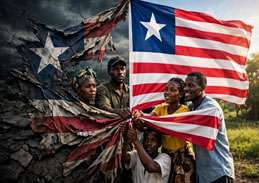
A nation achieves greatness not merely through its natural resources, economic strength, or political institutions, but through the unity of its people. When citizens are united by a shared vision and commitment to national development, progress becomes attainable. However, when a nation becomes divided along political, ethnic, religious, social, or regional lines, the consequences can be severe and far-reaching.
The greatest danger of a divided nation is the erosion of trust. Citizens begin to view one another with suspicion rather than respect, and disagreements evolve into hostility. Instead of working together to solve national problems, people become consumed by partisan interests and personal agendas.
Division also threatens peace and stability. History has shown that nations deeply polarized by hatred and mistrust are more vulnerable to social unrest, violence, and conflict. What begins as a difference of opinion can escalate into widespread tension, disrupting communities and weakening national institutions.
Another danger is economic stagnation. Investors are more likely to avoid countries characterized by uncertainty and instability. Businesses struggle to thrive in divided societies, reducing employment opportunities and slowing economic growth. The result is increased hardship for ordinary citizens.
Disunity also weakens national development. Instead of focusing on education, healthcare, infrastructure, and job creation, leaders and citizens become distracted by disputes and political rivalries. Valuable time, energy, and resources are wasted on conflicts that could otherwise be directed toward nation-building.
Perhaps most alarming is that division can undermine national identity. When people place tribal, political, religious, or personal interests above the common good, patriotism suffers.
Citizens begin to see themselves as members of separate groups rather than members of one nation.
Unity does not require uniformity of thought.
People can hold different opinions while maintaining mutual respect and commitment to national progress. A mature society learns to manage disagreements through dialogue, tolerance, and understanding.
A nation achieves greatness not merely through its natural resources, economic strength, or political institutions, but through the unity of its people. When citizens are united by a shared vision and commitment to national development, progress becomes attainable.
However, when a nation becomes divided along political, ethnic, religious, social, or regional lines, the consequences can be severe and far-reaching.
The greatest danger of a divided nation is the erosion of trust.
Citizens begin to view one another with suspicion rather than respect, and disagreements evolve into hostility. Instead of working together to solve national problems, people become consumed by partisan interests and personal agendas.
Division also threatens peace and stability. History has shown that nations deeply polarized by hatred and mistrust are more vulnerable to social unrest, violence, and conflict. What begins as a difference of opinion can escalate into widespread tension, disrupting communities and weakening national institutions.
Another danger is economic stagnation. Investors are more likely to avoid countries characterized by uncertainty and instability. Businesses struggle to thrive in divided societies, reducing employment opportunities and slowing economic growth. The result is increased hardship for ordinary citizens.
Disunity also weakens national development. Instead of focusing on education, healthcare, infrastructure, and job creation, leaders and citizens become distracted by disputes and political rivalries. Valuable time, energy, and resources are wasted on conflicts that could otherwise be directed toward nation-building.
Perhaps most alarming is that division can undermine national identity. When people place tribal, political, religious, or personal interests above the common good, patriotism suffers. Citizens begin to see themselves as members of separate groups rather than members of one nation.
Unity does not require uniformity of thought. People can hold different opinions while maintaining mutual respect and commitment to national progress. A mature society learns to manage disagreements through dialogue, tolerance, and understanding.
