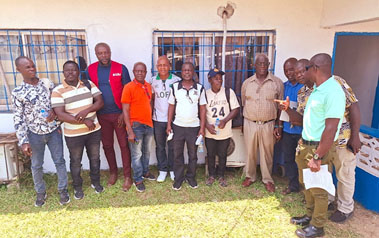
Authorities at the Liberia Revenue Authority (LRA) have intensified efforts to strengthen tax administration at the local level with the rollout of the second phase of its nationwide tax compliance training for county finance officers and sector stakeholders in six of the 15 counties.
The initiative, according to a release, is being implemented by the LRA’s Government and Not-For-Profit Division.
It is part of a broader strategy to enhance domestic resource mobilization and improve compliance with Liberia’s tax laws, particularly at the county level.
The training program targets key actors involved in public financial management, including county administration officials, finance officers, accountants, procurement officers, and logisticians. It also brings together members of county health teams, education officers, and representatives of county councils.
The program is designed to equip stakeholders with the technical knowledge and practical tools required to correctly apply withholding taxes on payments for goods and services, ensure timely remittances, and safeguard government revenue in line with the Revenue Code.
The initiative also aligns with the Local Government Act, which empowers county administrations to manage development funds for priority projects approved by county councils.
Central to the training is the withholding tax regime, which requires public institutions and other designated entities to deduct taxes at source when making payments for goods, services and labor.
The sessions cover legal obligations of withholding agents, applicable withholding tax rates, sector-specific compliance guidelines, payment timelines, and approved remittance channels, including hands-on training on the use of the Liberia Integrated Tax Administration System (LITAS).
Two LRA technical teams headed by T. Edwin Taylor, Enforcement Officer, and Richmond Dailaway, Compliance Officer, are conducting simultaneous training sessions in Gbarpolu, Bomi, Grand Cape Mount, Grand Gedeh, River Gee, Sinoe, and Maryland counties, building on the success of the first phase conducted in March.
The nationwide training forms part of the LRA’s ongoing fiscal reform agenda to modernize tax administration, expand the use of digital platforms such as LITAS, and ensuring efficient tax filing and payment systems.
Local officials in the targeted counties have welcomed the initiative, underscoring the need that strengthening the capacity of county-level stakeholders is critical to improving compliance, enhancing revenue collection, and promoting transparency in public financial management.
Through sustained stakeholder engagement and capacity-building initiatives, the Authority intends to foster a culture of compliance and strengthen Liberia’s domestic revenue base as a foundation for long-term economic growth.
The LRA says, it remains committed to efficient tax administration, transparency, and professionalism, all geared toward contributing to Liberia’s development and prosperity.