What Heatwaves Mean For West Africa
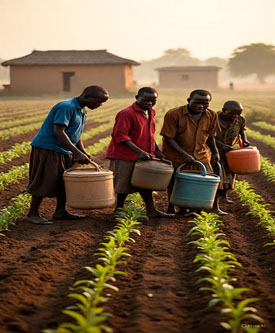
The sun that ripens the harvest can also scorch the land.” Heatwaves are no longer rare events—they are becoming the new normal. In December 2024, scientists confirmed that climate change made West Africa’s heatwave 15 times more likely. Cities like Dakar, Lagos, and our own Monrovia are feeling the strain: electricity grids collapse under demand, water supplies dwindle, and urban discomfort rises.
In 2025, extreme heat was estimated to kill millions worldwide, with one major report warning that rising global heat now kills about one person every minute. This translates to more than 500,000 heat-related deaths annually, concentrated in Asia, Europe, and increasingly Africa.
Heatwaves are not just weather—they are climate emergencies.
Early Warning Systems: Authorities can issue alerts before extreme heat events, giving people time to prepare.
Heatwaves the Silent Killer
Hospitals across West Africa report spikes in dehydration, heatstroke, and cardiovascular stress during extreme heat. Children, the elderly, and outdoor workers are the most vulnerable. Globally, heatwaves are among the deadliest climate hazards, yet they often pass unnoticed until tragedy strikes. Message: Heatwaves are silent killers—awareness and prevention save lives.
In 2025, extreme heat was estimated to kill millions worldwide, with one major report warning that rising global heat now kills about one person every minute. This translates to more than 500,000 heat-related deaths annually, concentrated in Asia, Europe, and increasingly Africa.
Urban Greening: Planting trees, creating shaded areas, and expanding parks reduce the “urban heat effect.