By Samuel Flomo, Jr.
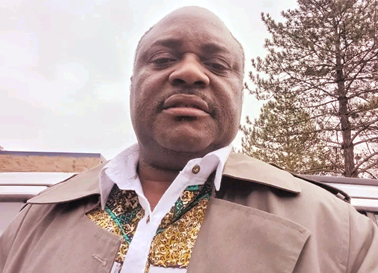
Mr. Solomon Weawea, Executive Director of the Liberia National Heritage and Culture Development Association (LNHCDA), has called on all Liberians to reflect on the nation’s civil war history as a way to strengthen unity and promote lasting peace.
Speaking on the legacy of the conflict, Mr. Weawea identified two key phases that shaped Liberia’s recent past.
“The first phase involved widespread tribal clashes, with communities aligning either for or against Samuel Doe,” he explained. “This period saw severe violence affecting the Krahn, Gio, Mano, and Mandingo tribes.
Families were displaced, communities were torn apart, and the social fabric of the nation was deeply shaken. Thankfully, peace was eventually restored through democratic elections and collective national effort.”
He described the second phase as emerging from international pressure on President Charles Taylor’s administration. “During this period, sanctions and diplomatic restrictions weakened governance, undermining security across the country,” Weawea said.
“This environment allowed the rise of armed groups such as LURD and MODEL, whose actions were influenced by external interests seeking to destabilize Liberia.”
Mr. Weawea emphasized that while Liberia has made significant strides since the war, its legacy continues to influence the country’s political and social landscape.
“The echoes of conflict remain in divisions among communities and a changing national mindset. However, these challenges also present lessons we must embrace to foster reconciliation and national resilience,” he said.
He offered a message of hope and unity: “It is vital that we remember our history not to dwell on the past, but to build a stronger, more united Liberia. God bless Liberia as we continue the journey toward lasting peace and national renewal.”