By Emmanuel Koffa
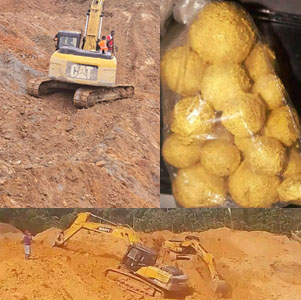
Local authorities and regulatory bodies are facing intense scrutiny as reports of unregulated mining operations continue to surface in Grand Kru County.
The situation is said to have put local leaders under pressure as illegal excavations have threatened environment and livelihoods. Residents and activists warn that the county’s natural wealth is being exploited with minimal oversight, while environmental and social consequences mount. According to reports, over 50 excavators are operating in the county, many without proper licenses or publicly disclosed ownership. Some of the locals are concerned about how rivers remain polluted, farmlands are degraded, and some mining pits have reached depths of 24 to 27 meters, posing serious safety risks. Human rights advocate Alfred C. Torh criticized the lack of accountability: “Our people are losing their land and dignity, while leaders remain silent. Governance structures must act now to protect our communities and resources.”
Experts noted that insufficient enforcement of environmental and mining regulations have allowed “illegal and semi-legal operations to flourish, leaving indigenous communities vulnerable.” Authorities have yet to publicly disclose mining licenses and permits, ownership of operating excavators, revenue or benefit-sharing agreements with local communities.
This opacity, one resident said, fuels suspicion that only a small group benefits, while residents face the social and environmental fallout. Residents report food insecurity, limited access to clean water, and health risks, while local infrastructure remain at risk from unregulated land clearing. Activists and some of the locals have urged immediate government action to enforce environmental and safety regulations; increase transparency in mining operation; include communities in resource management decisions; protect indigenous land rights under national and international law. “The development is welcome, but it must be responsible, accountable, and inclusive,” said a community leader. The situation in the county is increasingly being seen as a test of governance.
Residents hope that stronger oversight, transparency, and community involvement will ensure that mineral wealth serves the people, not just a privileged few.