By Domingo Dargbeh
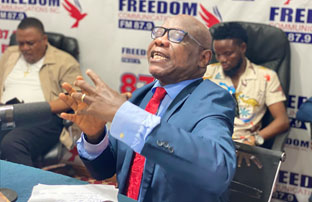
In a recent radio appearance, former Finance Minister, Samuel D. Tweah, reiterated his controversial stance on the harmonization of salaries, emphatically declaring: “Harmonization cannot be reversed.”
This statement has reignited discussions surrounding the policy, which many Liberians view as a “disastrous decision” that exacerbated economic hardship, mainly for civil servants.
Tweah’s remark come in the wake of significant public backlash against the harmonization initiative implemented during the Coalition for Democratic Change (CDC) administration.
Critics argue that the policy, which involved drastic salary cuts for civil servants, did not represent a reform, rather an act of punishment that plunged many families deeper into poverty.
Tweah insistence on the permanence of the harmonization policy was met with skepticism.
For several other civil servants, the policy felt less like a financial adjustment, and more akin to a punitive measure.
Families reported being unable to afford basic necessities, such as rent and school fees, because they faced sudden and uneven salary reductions that lacked transparency and consistency.
The emotional and financial toll of these cuts left many households grappling with despair, as dreams of stability and progress were dashed.
Critics have pointed out the inequity that characterized the Tweah’s harmonization policy.
While many workers faced severe pay cuts, others appeared to be shielded, fostering resentment and a belief that the policy served as a tool to make civil servants’ victim of poverty, rather than accountability.
This perceived injustice transformed the initiative into a weapon against dedicated public servants, who had devoted years to national service, leaving them feeling humiliated and demoralized.
In response to Tweah’s attempt to rebrand the harmonization policy as a “signature achievement,” one financial expert said, the policy cannot be celebrated as success.
The expert said the emotional scars left by the salary cuts remain devastating.
“Tweah’s economic decisions contributed to the CDC’s electoral defeat in 2023. It is widespread, reflecting a public anger that is both palpable and justified.”
In stark contrast to Tweah assertions, the current government has begun addressing the consequences of the harmonization policy.
Latest reports indicate that approximately 28,000 government workers are now receiving salary adjustments with the aim to restore equity and dignity.
The administration’s efforts to rectify past injustices challenge Tweah claim that harmonization “cannot be reversed,” raising critical questions about the legitimacy of his narrative.
As the country moves forward, many citizens are urging a rejection of efforts to glamorize the suffering caused by the harmonization policy.