The Liberian Immigration Services (LIS), has officially ended the registration process for the influx of Burkinabes in five of the 15 counties. Those counties include Grand Gedeh, Nimba, Maryland, River Gee and Bong. According to the report provided by LIS Comptroller, Danny Sartee, the registration process began in May, 2025, simultaneously in five counties, but officially ended on Thursday, August 21, 2025. Sartee is also the LIS Director for Operations.
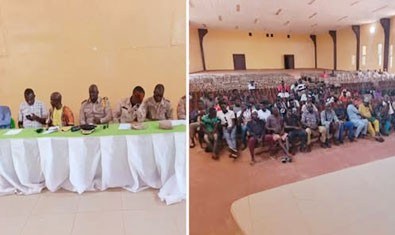
In the statistics, Grand Gedeh recorded 48,000, followed by River Gee with 4,014. Others are Nimba County with 2,000, Maryland County, 426, and Bong County with record of 100 of the Burkinabes. Meanwhile, Sartee has commended the leadership of the Burkinabes for “cooperating with the registration process, and local county authorities as well as with the host communities for supporting the process.” Those communities provided a “peaceful and enabling environment during the entire registration process.” He mentioned amongst other things, that the issuance of residence permit to Burkinabes, who have registered will commence after three months of the registration closing date. He further commended LIS county commanders for their ‘mentorship and supervision’ of the exercises in their respective assigned areas. Commanders who attended the ceremony included Alieu Y. Fofana, River Gee, Abdul Jallahquay, Maryland and Alex Kpakolo, Grand Gedeh. Charles Zulu, who proxied for Grand Gedeh County Superintendent, commended LIS for the work done in a short time. Zulu called on the leadership of the Burkinabes to caution their colleagues to be law-abiding and do away with anything that will disturb the peace and stability of the counties and the country. The just ended registration exercise was initiated due to public outcry about the influx of Burkinabes. It focused on the gathering of accurate data on how they came, where they passed, who brought them in the country as well as their hosts and their reasons for coming into the country. The process also involved gathering sufficient information about their host communities, and what they are involved into. By Paul G Rancy, Grand Gedeh County