By: Domingo Dargbeh
The Liberia Refugee Reparations and Resettlement Commission (LRRRC), in collaboration with the African Union and the Ministry of Foreign Affairs, is set to officially launch a special reintegration project aimed at assisting 500 beneficiaries, including 350 school-going children and 150 household heads.
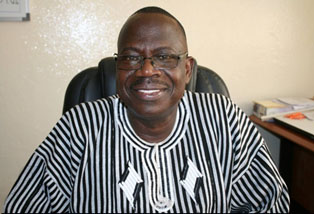
The Executive Director of LRRRC, Jackson J. Paye, said the initiative represents a significant step toward providing educational and reintegration support to those affected by recent floods and other crises. The project targets vulnerable individuals and will provide educational assistance to school-age children, ensuring they receive essential school materials.
Additionally, the 150 household heads will benefit from reintegration packages that include training in small business administration, empowering them to establish sustainable livelihoods.
Paye also noted that the initiative is supported through a partnership between the African Union and the Ministry of Foreign Affairs, building on the successful reintegration of previous beneficiaries.
“We have a responsibility to ensure that those displaced by natural disasters and conflict are reintegrated into society.
This project is not only about providing immediate aid but also about equipping individuals with the skills they need to thrive in their communities,” Paye added.
The reintegration project will be implemented in Margibi, Bong, and Grand Bassa counties, where individuals affected by flooding in 2025 will receive targeted assistance. Paye confirmed that the project is set to begin in January 2026, following initial validation processes to identify beneficiaries.
In addition to educational support, the project will enable beneficiaries to access small business loans, further enhancing their capacity to rebuild their lives post-crisis. Paye expressed the Commission’s commitment to improving the welfare of all individuals under its care, including former refugees and internally displaced persons.
The project continues the Commission’s ongoing efforts to address the needs of vulnerable populations in Liberia. “Our goal is to ensure that no one is left behind,” he asserted. “We are working diligently to provide support that not only meets immediate needs but also fosters long-term resilience.
” The Commission is also planning to engage in law and policy reform to better serve the needs of refugees and displaced persons, as the current legislative framework established in 1993 has not been revised to meet the changing circumstances of affected populations,” he indicated.
As preparations continue, the Commission has invited community members and stakeholders to support the reintegration process, emphasizing the importance of collaboration in achieving successful outcomes for all beneficiaries.