By Fiona Benson
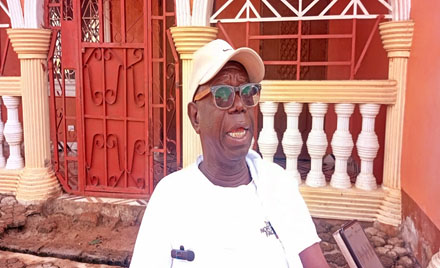
Bong County District #4 Representative, Robert Womba, said a major district-wide consultation on the proposed FGM Bill is currently before the legislature for discussion.
The Bill seeks to ban “harmful” cultural practices against women and girls.”
It was sent to the legislature by President Joseph Nyuma Boakai for legislative enactment.
Public debates on the Bill has claimed attentions as to whether it should be passed into law.
Womba said the sensitive nature of the legislation requires broad community engagement, especially in regions where traditional practices remain central to everyday life.
Rep. Womba represents the Zota, Panta, and Mequelleh, areas.
He recognizes residents strong cultural and traditions, but said, “it is my constitutional and moral duty to ensure that the people he serves have a direct voice in shaping national decisions that affect their identity, livelihood and communal harmony.
“My district consists of eight clans with rich customs that have shaped our way of life for generations. For this, the proposed Bill touches the very foundation of those traditions. I will therefore take it to my people in all eight clans for broader consultations.
Our people, among them, the traditional leaders, must be heard, specifically on this female circumcision. Their views will guide my final position.”
Since the submission of the Bill, it has flickered national debate, “because it seeks to eliminate practices deemed harmful to women and girls.”
While many citizens support the legislation as a step to protect vulnerable groups, others insist that any conversation about cultural reform must be fair and inclusive.
Rep. Womba echoed these sentiments, noting that many residents in his district have expressed concerns about the selective scrutiny of traditional practices, while certain foreign influences continue to flourish without legislative attention.
“If the legislature must debate, and regulate aspects of the culture, it should also be willing to confront emerging Western beliefs and behaviors that many citizens consider contrary to the nation’s values.
Womba referenced increasing advocacy around issues that involved homosexuality, lesbianism, and same-sex relationships.
These acts are considered by many traditional communities as challenges to moral and cultural fabric.
“Fairness requires consistency. If harmful cultural practices must be reviewed, then foreign practices and behaviors that are undermining our values and affecting our young people, should also be placed before the Legislature for action. Our people are watching these shifts with concern. Their voices deserve to be heard at the national level.”
Womba assured his constituents that the consultations will be opened, respectful and comprehensive, because, the goal is to strike a balance between protecting the rights and safety of women and girls, while preserving cultural dignity and addressing new pressures brought about by globalization.
Womba meanwhile, promised to present a report to his colleagues to reflect the true consensus of the eight clans he represents.
“I remain committed to protect the interests of my people. Their cultural values matter, their voices matter, and the laws we make must reflect the collective good of our nation.”