By Godgift Harris
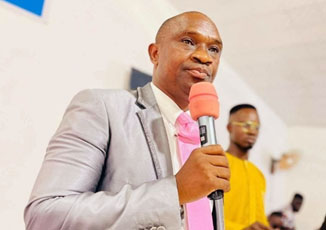
The Liberia Council of Churches (LCC), has sharply criticized the December 17 planned protest announced by former chairman, Mulba Morlu of the opposition Coalition for Democratic Change (CDC).
The same Morlu is chairing the group that has planned the “leave or lead” protest in Monrovia.
Morlu is metamorphized as chair of Solidarity for Trust and a New Day (STAND).
However, the Council dismissed the move, which it termed as “reckless, ill-timed, and potentially destabilizing.”
On Tuesday, December 9, 2025, Reverend Amminadab K. John, one of LCC’s senior officials said, while Liberians have a guaranteed constitutional right to peaceful assembly, the nation’s current political, and economic climate makes such a mass action “dangerous and irresponsible.”
The LCC is currently headed by Reverend Samuel Reeves, who also serves on the Board of the Grand Bassa Community College.
The Council warned that a politically charged protest at a time of growing public frustration could inflame tensions, and threaten the fragile peace Liberia has maintained since the end of its civil conflict (1989-2023).
However, the Council’s statement has not gone without internal friction.
Some LCC’s members have distanced themselves from the position, insisting that all Liberians regardless of political affiliation retain the right to protest as long as it is done peacefully and responsibly.
They feel that calling the planned demonstration “untimely” and potentially disruptive,” the Council urged Mulbah Morlu, and his supporters to immediately withdraw their action.
The Council warned that national peace must never be endangered for “political or personal motives.”
The LCC framed the planned assembly not as a democratic expression, but as a possible trigger for disorder, urging political actors to pursue constructive dialogue rather than confrontation.
The Council also challenged the government to take stronger measures to ensure public order, including a thorough security assessment of any large-scale mobilization.
It called for clear steps to protect lives, property, and national security as political rhetoric intensifies ahead of the December 17 date.
The LCC, which now positioned itself as Liberia’s “spiritual conscience,” reiterated that the country’s hard-won peace is “non-negotiable,” and promised to intervene where necessary to mediate tensions.
Meanwhile, some Liberians have criticized the LCC’s stance, accusing church leaders of selective judgment.
Critics note that similar protests were staged during the administration of former President George Weah, including at times when Mulbah Morlu himself served as a CDC chairman, and argue that the LCC should “put Liberia first” rather than appearing to defend or attack specific political figures.
The Council’s message reflects growing anxiety among religious leaders, civil society organizations, and political observers, who warn that escalating
political agitation could deepen national divisions if not carefully managed.
As December 17 approaches, the LCC has urged Liberians across political lines to prioritize peace, unity and national stability, saying: “The country cannot afford actions that could reverse years of progress.”